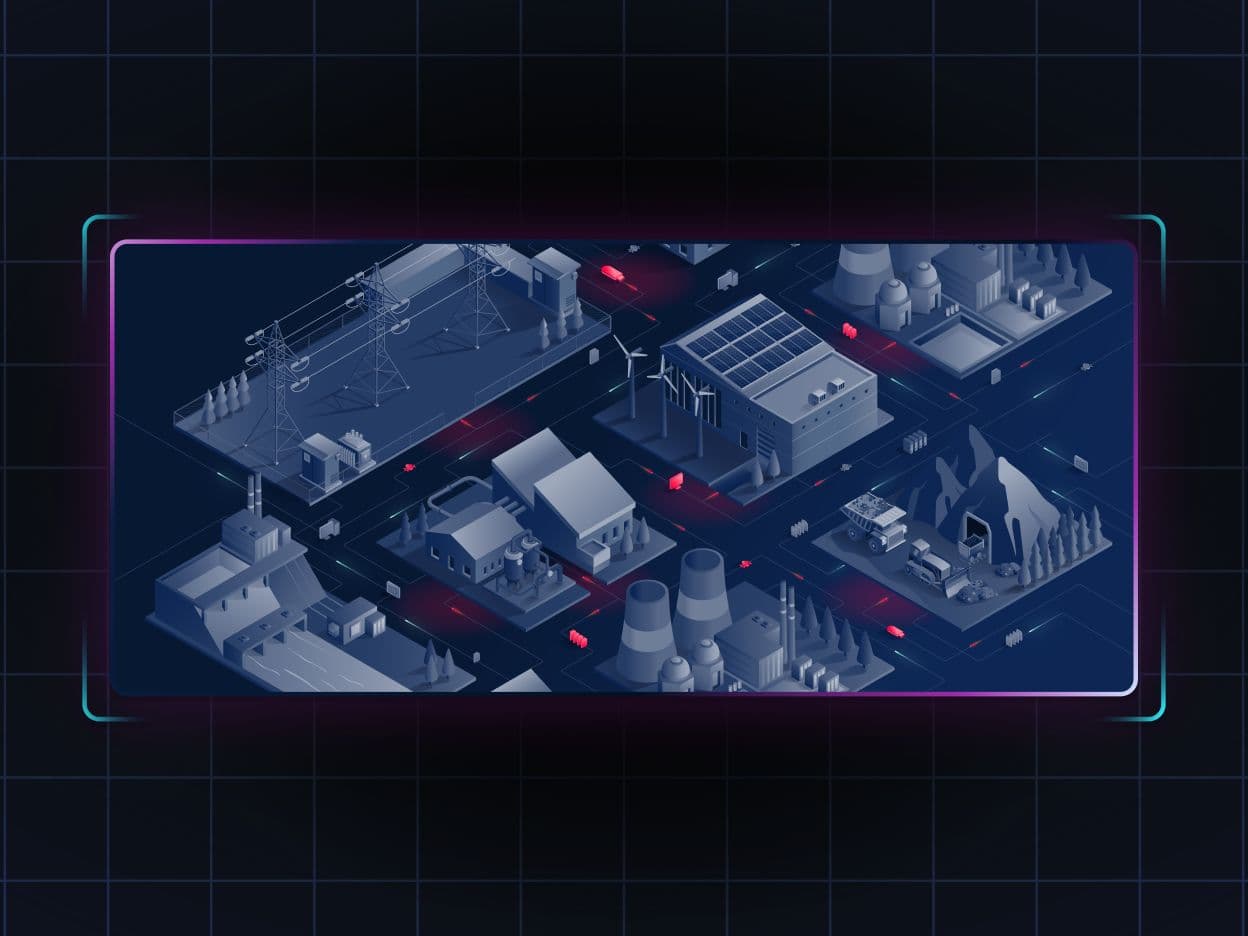
As businesses increasingly depend on a complex network of suppliers, vendors, and partners to sustain operations, the supply chain emerges as a critical area packed with hidden cybersecurity risks. These vulnerabilities, if unaddressed, can lead to significant disruptions not just within a single company, but across the entire ecosystem it supports. Ensuring the security of these interconnected systems is therefore crucial for maintaining operational stability and safeguarding against potential threats.
What Are Supply Chain Vulnerabilities?
Supply chain vulnerabilities refer to weaknesses in the systems, processes, or technologies used by suppliers and partners that attackers can exploit. These risks are not limited to direct suppliers but extend to every organization connected to your business. A single weak link can jeopardize the entire chain.
Here are some examples of possible attack vectors:
- Third-party software risks: Vendors providing IT tools may unknowingly introduce malware or backdoors into your systems.
- Hardware compromises: Devices and components sourced from unverified manufacturers can carry embedded vulnerabilities.
- Data sharing risks: Sensitive data exchanged with partners might be intercepted or mishandled, exposing critical information.
These vulnerabilities, if unaddressed, can lead to significant disruptions not just within a single company, but across the entire ecosystem it supports.

Why Do Cybercriminals Target the Supply Chain?
The supply chain is an attractive target because it often involves multiple organizations, each with its own security practices. Attackers exploit the weakest point to gain access to broader networks. Recent high-profile attacks, like SolarWinds in 2020, highlight how compromising a trusted vendor can have a cascading effect on customers globally.
When attackers exploit supply chain vulnerabilities, businesses can face:

Operational disruptions
Attacks can halt production, delay shipments, or compromise service delivery

Financial loss
Recovery from an attack, including downtime, fines, and reputation damage, can be costly.

Data breaches
Sensitive information, such as intellectual property or customer data, may be exposed, leading to compliance violations and loss of trust.
The supply chain is an attractive target because it often involves multiple organizations, each with its own security practices.
Steps to Mitigate Supply Chain Vulnerabilities
While it’s impossible to eliminate all risks, businesses can take proactive steps to minimize vulnerabilities:

Conduct Thorough Vendor Assessments
Evaluate the security practices of suppliers and partners before onboarding them. Look for certifications like ISO 27001 – an international standard to manage information security – or SOC 2 – a security framework that specifies how organizations should protect customer data from unauthorized access, security incidents, and other vulnerabilities – as indicators of robust cybersecurity standards.

Implement Strict Access Controls
Limit access to your systems based on the Principle of Least Privilege (PoLP). Vendors should only access the resources necessary for their role.

Monitor and Audit Continuously
Use monitoring tools to track the behavior of third-party applications and services. Regular audits help identify and address potential vulnerabilities early

Enforce Secure Communication Practices
Encrypt all data shared with suppliers and partners. Ensure that all parties follow secure communication protocols to prevent eavesdropping or data leakage.

Develop a Response Plan
Prepare for supply chain incidents by having a clear response strategy. This includes identifying stakeholders, communication protocols, and steps for containment and recovery.

Education
Train your employees to establish strong security protocols, thoroughly vet vendors, and stay updated on cybersecurity threats. This proactive approach safeguards the entire supply chain.
Supply chain cybersecurity is not just an individual effort – it requires collaboration across all stakeholders.
Collaborative Security Is Key
Supply chain cybersecurity is not just an individual effort – it requires collaboration across all stakeholders. Businesses should encourage open communication with suppliers about security expectations, share threat intelligence, and participate in industry initiatives to improve supply chain resilience
The complexity of modern supply chains means vulnerabilities are inevitable, but with the right strategies, businesses can significantly reduce their risk exposure. By fostering a culture of cybersecurity and working closely with partners, organizations can protect their supply chains and build trust in an increasingly interconnected world.
Protecting your supply chain isn’t just about safeguarding your business – it’s about ensuring the security of everyone who depends on it!
Start Enhancing Your Security Posture at OPSWAT Academy
Safeguarding supply chains is paramount, and it starts with well-trained employees. A robust understanding of cybersecurity protocols and threat mitigation strategies is crucial for preventing disruptions that can have a ripple effect across the entire supply chain.
OPSWAT Academy offers specialized courses designed to equip your team with the necessary knowledge and skills to defend against evolving cyberthreats effectively. By registering for OPSWAT Academy's Associate-level training, organizations not only enhance their general cybersecurity posture but also ensure the continuity and reliability of their supply chain operations.