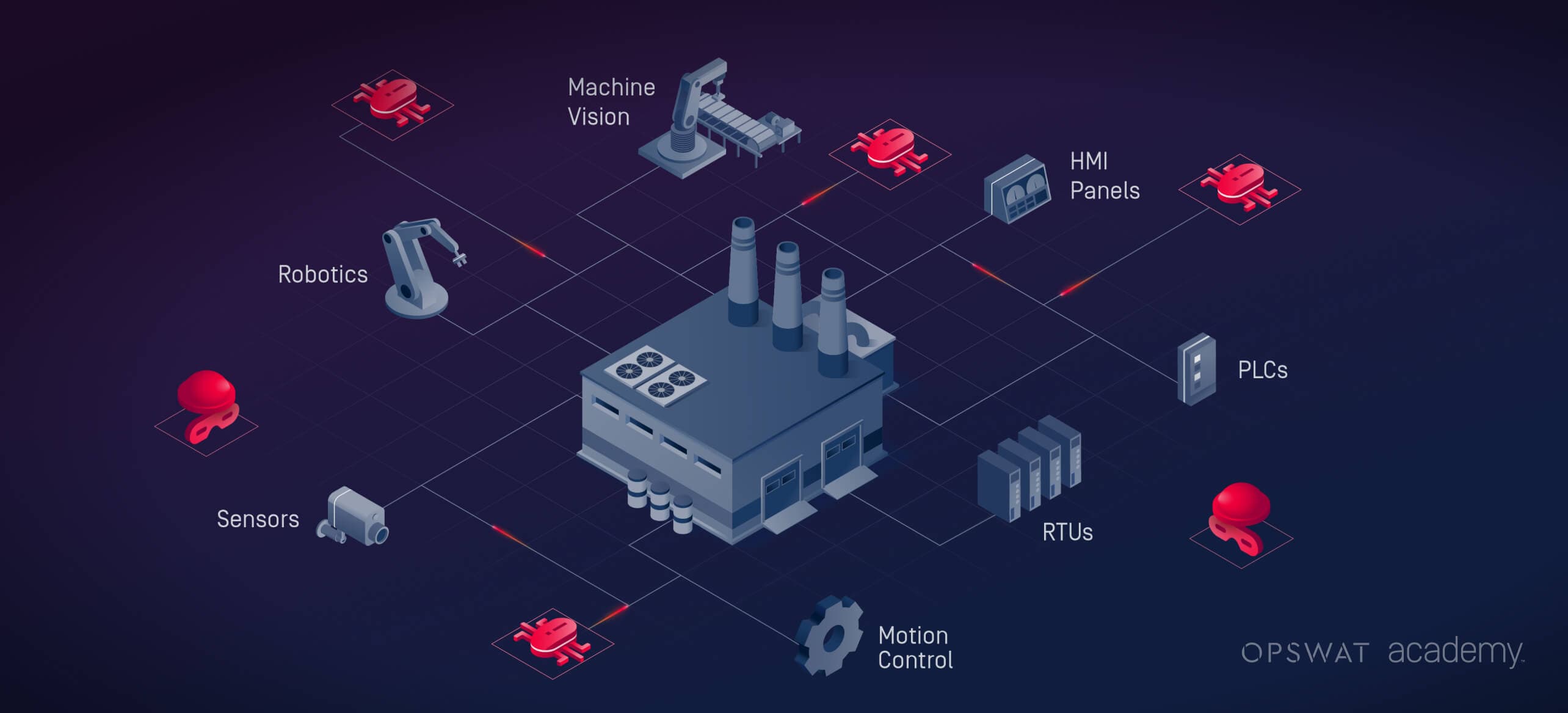
Security paradigms have traditionally revolved around perimeter defense strategies in the realm of Operational Technology (OT) – essentially, creating barriers to protect critical systems from external threats. However, as the complexity and connectivity of OT environments increase, so does their vulnerability to sophisticated cyber-attacks. This evolution demands a shift in defensive strategies, prominently towards the adoption of zero-trust architecture. This approach operates on a fundamental premise: “Trust no file, trust no device.”
What is Zero-Trust Architecture?
Zero-trust architecture is a strategic cybersecurity framework that mandates stringent identity verification for every person and device trying to access resources on a private network, regardless of whether they are sitting within or outside the network perimeter. This model assumes that threats could be both external and internal, thus establishing a security stance where nothing is trusted implicitly.
Why is Zero-Trust Important for OT?
OT systems are critical to the functioning of essential services like energy, water management, and manufacturing. A breach in these systems can lead to devastating consequences including operational disruption, environmental damage, and even risks to human safety. Traditional security measures are often ill-equipped to handle current threat vectors as they predominantly focus on external threats. Zero-trust, by contrast, provides a comprehensive approach to secure sensitive systems and data by:

Minimizing lateral movement
By verifying every access request, zero-trust limits the ability of an attacker to move freely once inside the network.

Enhancing visibility and control
It allows for greater insight into devices and users within the network, facilitating more effective monitoring and control.

Adapting to modern threats
As threats evolve, so does zero-trust. It is inherently designed to adapt and respond to new risks, making it a resilient framework.
Implementing Zero-Trust in OT Environments
Transitioning to a zero-trust model in OT is not without its challenges. It requires a deep understanding of all assets, their communication patterns, and rigorous enforcement of policies. Key steps in implementing zero-trust in OT include:

Network Segmentation
Dividing the network into smaller zones to control access more tightly and reduce the impact of potential breaches.

Multi-factor Authentication (MFA)
Applying strong authentication methods to ensure that the entity requesting access is who they claim to be.

Least Privilege Access
Granting users and devices the minimum level of access required to perform their functions.

Continuous Monitoring
Implementing tools and practices to constantly monitor network activity for suspicious behavior.
Challenges and Considerations
The unique characteristics of OT environments, such as the presence of legacy systems and the critical nature of operations, can complicate the adoption of zero-trust. These systems often cannot tolerate disruptions, and many legacy devices were not designed with modern cybersecurity practices in mind. Therefore, when integrating zero-trust principles, organizations must:

Network Segmentation
Dividing the network into smaller zones to control access more tightly and reduce the impact of potential breaches.

Plan for Operational Continuity
Develop strategies that protect the integrity and availability of operations during the transition to a zero-trust framework.
Come and Learn the OPSWAT Way
Adopting zero-trust architecture in OT is not just a trend but a necessary evolution to address the growing sophistication of cyberthreats. By rethinking trust and focusing on continuous verification, OT organizations can significantly enhance their defensive posture. Implementing zero-trust requires a thoughtful approach tailored to the unique demands and constraints of OT systems, but the payoff in increased resilience and security can be substantial.
In today’s digital landscape, where traditional security boundaries have dissolved, the zero-trust security model has become imperative. However, many organizations still find themselves underprepared to implement these advanced security measures due to a shortage of trained professionals. Fortunately, there is a way.
At OPSWAT Academy, we are committed to bridging this gap by providing comprehensive and hands-on training in Critical Infrastructure Protection (CIP) cybersecurity. By registering with us, you can acquire the crucial skills needed to design and implement zero-trust architectures that protect vital systems against evolving cyber threats.
Join OPSWAT Academy to become a part of the next generation of cybersecurity professionals!


