
In the evolving landscape of global technology, the Internet of Things (IoT) and the Industrial Internet of Things (IIoT) have emerged as pivotal elements in the modernization of critical infrastructure. These technologies are revolutionizing sectors such as energy, transportation, and manufacturing, by enhancing efficiency, productivity, and data-driven decision-making. However, integrating these smart technologies also brings forth complex cybersecurity challenges that must be addressed to protect sensitive data and ensure the continuous operation of essential services.
What are IoT and IIoT?
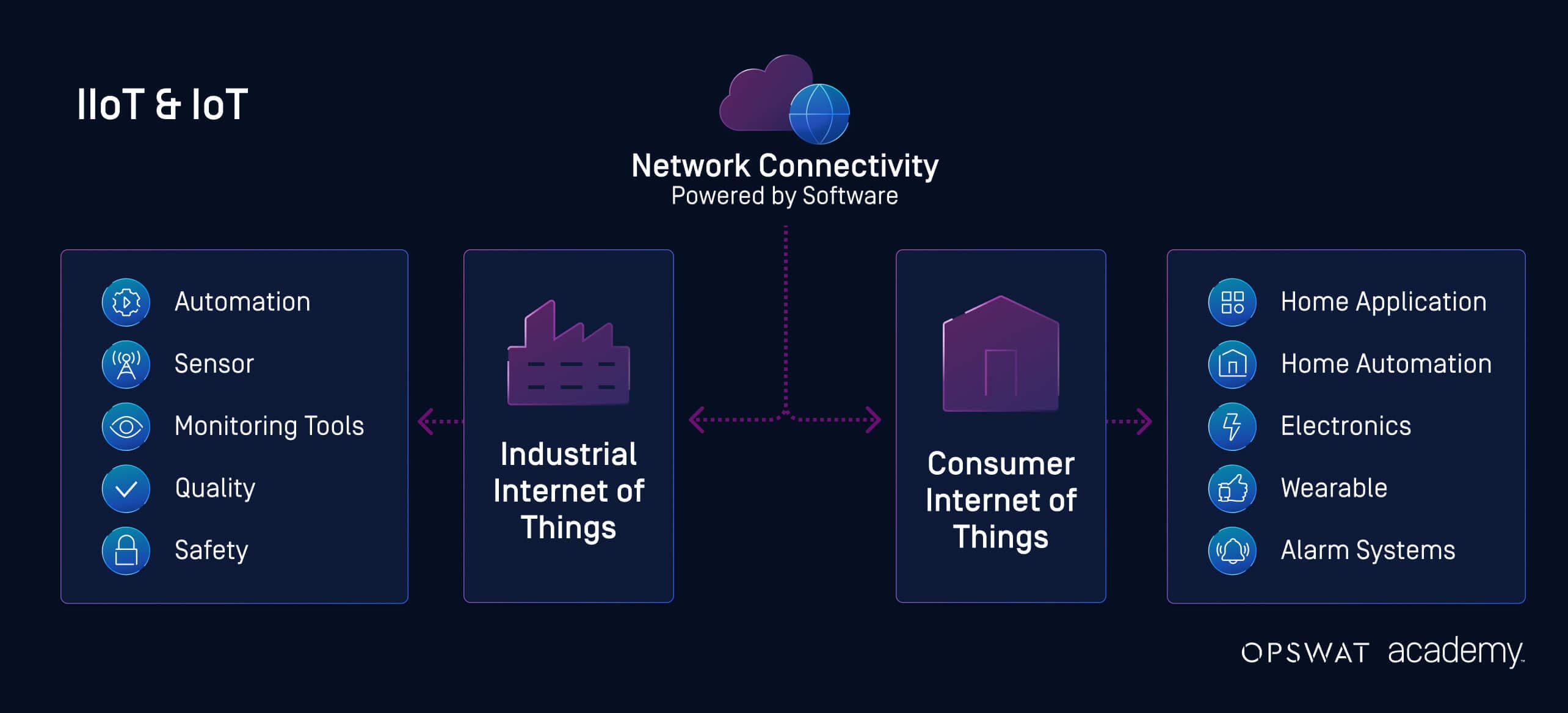
IoT refers to the network of interconnected devices that communicate and exchange data with each other and with the Internet. These devices range from simple household items like refrigerators and thermostats to more complex systems such as security cameras and personal assistants. IIoT, a subset of IoT, includes similar technologies specifically designed for industrial purposes, including sensors, machines, and instruments that gather and analyze data to optimize industrial processes.
IoT refers to the network of interconnected devices […] range from simple household items […] to more complex systems. IIoT includes similar technologies […] for industrial purposes.

Enhancements in Critical Infrastructure
The adoption of advanced interconnected technologies offers multiple benefits, such as increased operational efficiency, better data gathering, and the ability to monitor and manage processes in real-time. These innovations help businesses streamline their operations, cut costs, and make more informed decisions thanks to comprehensive data analysis. Additionally, these technologies support proactive maintenance strategies, which help reduce interruptions and prolong the service life of machinery.
The use of IoT and IIoT devices has several advantages, which include improved efficiency, enhanced data collection, and real-time monitoring and control.
- Increased Operational Efficiency: IoT and IIoT devices facilitate real-time data collection and analysis, optimizing operations and maintenance in critical infrastructure. For instance, smart grids in the energy sector use IoT technology to balance electricity supply and demand instantly.
- Predictive Maintenance: IIoT devices can predict equipment failures before they occur, minimizing downtime and extending the life of machinery. This is crucial in sectors like manufacturing and transportation, where equipment failure can lead to significant operational disruptions.
- Enhanced Safety and Monitoring: IoT technologies help monitor structural health in buildings and bridges, improving safety by identifying problems early. Similarly, IIoT applications in hazardous environments, such as chemical plants, can significantly reduce the risk of accidents.
Cybersecurity Challenges
While IoT and IIoT bring numerous benefits, they also introduce significant cybersecurity risks that could jeopardize the security of any critical infrastructure:
- Increased Attack Surface: Every connected device is a potential entry point for cyberattacks. The diversity and number of IoT devices create numerous vulnerabilities that can be exploited by cybercriminals.
- Data Privacy Issues: Massive amounts of data collected by IoT and IIoT devices, some of which are overly sensitive, pose significant privacy risks if not properly secured.
- Legacy Systems Integration: Many critical infrastructures operate on legacy systems that were not designed to be connected to the Internet. Integrating these systems with IoT technologies without proper security measures can expose them to cyberthreats.
While IoT and IIoT bring numerous benefits, they also introduce significant cybersecurity risks.
Strategies for Mitigation
To counter these cybersecurity challenges, it is essential for organizations to implement comprehensive security strategies, such as:

Robust Security Protocols
Establishing strong security protocols, including the use of encryption, secure authentication methods, and regular security patches, is fundamental.

Segmentation of Networks
Dividing network architecture into segments can contain potential breaches and prevent them from spreading across the network.

Continuous Monitoring and Response
Implementing advanced monitoring systems to detect unusual activities and potential threats in real-time is crucial. Rapid response capabilities can mitigate the impact of a cyberattack.

Regulatory Compliance and Standards
Adhering to national and international cybersecurity standards and frameworks can guide organizations in protecting their infrastructure effectively.
The integration of IoT and IIoT into critical infrastructure represents a double-edged sword – offering substantial benefits but also exposing systems to new cybersecurity risks. As these technologies evolve, so does the cybersecurity approach. Organizations must adopt proactive security measures and remain vigilant against the ever-changing cyber threat landscape to safeguard the crucial systems that sustain modern society.


