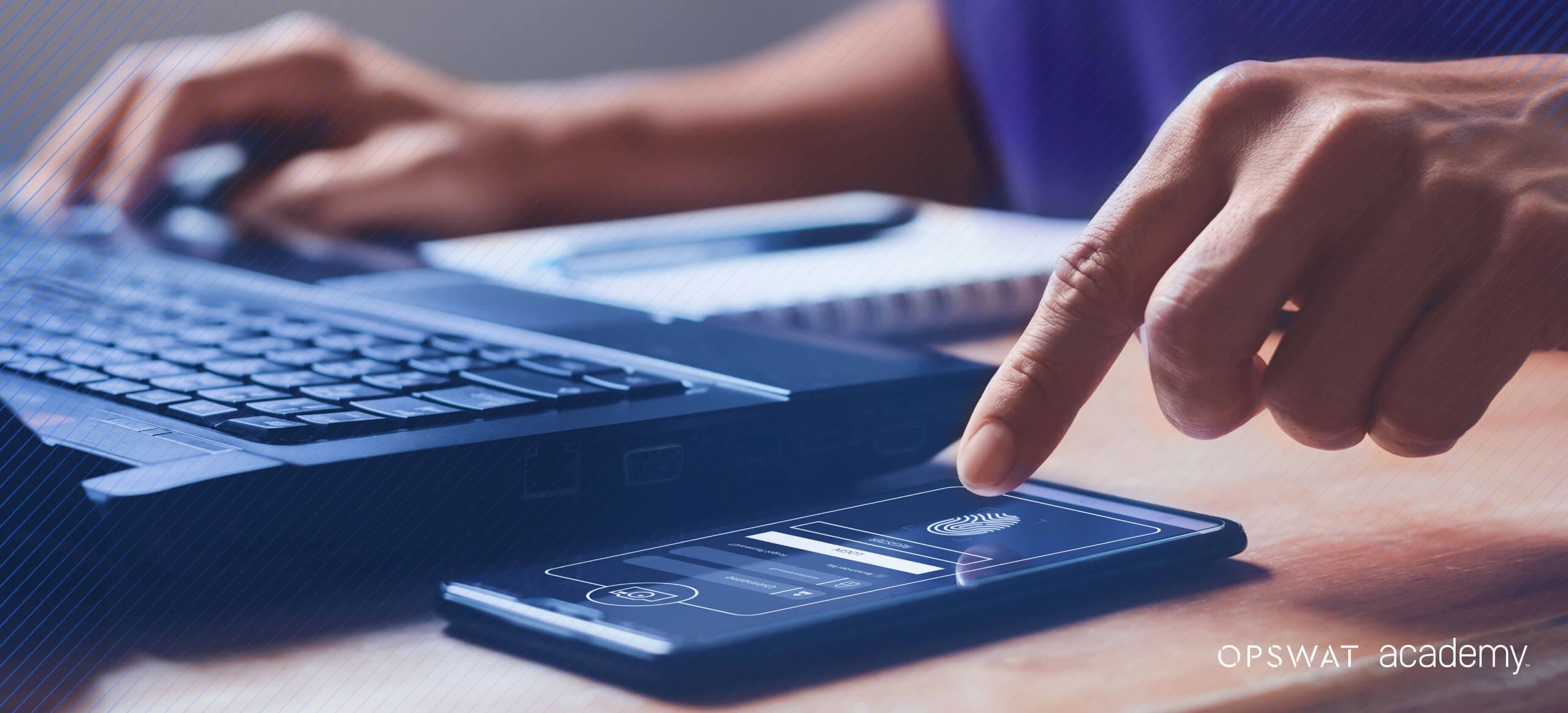
In an era where digital threats are increasingly sophisticated, the importance of robust security measures cannot be overstated. One such measure that has gained prominence is Multi-Factor Authentication (MFA). MFA adds an extra layer of security by requiring users to provide two or more verification factors to gain access to a resource. This article will provide an overview of MFA, discussing its types, implementation, and key considerations.
Why Does MFA Matter?
The digital landscape is fraught with potential security breaches, ranging from phishing scams to brute force attacks. Traditional passwords, even complex ones, can often easily be compromised. Multi-Factor Authentication mitigates these risks by requiring additional verification, making unauthorized access exponentially more challenging for cybercriminals.
Traditional passwords, even complex ones, can often easily be compromised.

How Does MFA Work?
MFA works by requiring additional verification factors beyond just a single password. A common MFA setup includes entering a password followed by, for example, a code sent to your smartphone. Thus, only by successfully providing both pieces of information can a user access their account. More advanced systems may also incorporate additional factors to enhance security further by analyzing patterns of behavior and location data.
Basic secondary verification factors usually include:
- Something you know: An additional password or Personal Identification Number (PIN).
- Something you have: A smartphone or hardware token.
- Something you are: Biometric verification such as fingerprint or facial recognition.
MFA works by requiring additional verification information, so-called factors.
Types of MFA
Although several alternatives are available, various Multi-Factor Authentication options are used to enhance security convenience. Let's see what a more or less complete list looks like:
- SMS/Email Verification: Codes are sent to the user's mobile phone or email, which they must enter to access the service.
- Authenticator Apps: Applications like Google Authenticator or Microsoft Authenticator generate time-limited codes that sync with the user’s account.
- Hardware Tokens: Physical devices that generate a code at the push of a button, such as a YubiKey.
- Push Notifications: A notification is sent to a pre-verified device, usually a smartphone, asking the user to confirm their login attempt.
- Biometric Verification: This involves using unique biological traits, such as fingerprint scans, facial recognition, or iris scans.
- Smart Cards and USB Keys: Devices that require insertion into a computer or reading by a smart card reader to grant access.
- Location-Based Authentication: Access is granted based on the geographic location from which the login attempt is made.
- Behavioral Biometrics: This method analyzes patterns of user activity that are characteristic of the legitimate user, such as typing speed and patterns.
Challenges and Considerations
While MFA greatly enhances security, it is not without its challenges. These can include increased complexity for users, the potential for lost devices or biometric failures, and the need for backup authentication methods. However, these challenges are generally outweighed by the significant security benefits MFA provides.
[MFA] is not without challenges […], however, challenges are generally outweighed by the significant security benefits.
Implementing MFA requires careful planning and consideration of user experience. Businesses must select appropriate authentication methods, communicate changes to users, and provide support during the transition. The choice of the MFA method will depend on the specific needs and capabilities of the organization and its users.
The OPSWAT Academy Way
Multi-Factor Authentication is a fundamental cybersecurity method suitable for both corporate and personal security. However, it represents just one of several readily applicable strategies to protect our systems and data.
If you're looking to enhance your cybersecurity knowledge and skills, check out OPSWAT Academy’s Associate Course Program, which is designed to help you develop your cybersecurity knowledge and skills from the ground up, enabling you to effectively counteract cybercriminals and malware.
Multi-Factor Authentication is a fundamental cybersecurity method suitable for both corporate and personal security.
Conclusion
As cyberthreats continue to evolve, so must our defenses too. Multi-Factor Authentication represents a simple, effective way to significantly enhance security. By requiring multiple forms of verification, MFA makes unauthorized access vastly more difficult, protecting users' digital assets from an ever-growing array of cyber threats.
In today's digital world, implementing MFA isn't just recommended; it's essential for safeguarding against potential breaches and ensuring the integrity of our digital lives.


