
In today’s interconnected enterprise environment, securing network access is not just necessary; it is imperative for safeguarding critical data and systems from unauthorized access and cyber threats. Network Access Control (NAC) solutions play a pivotal role in ensuring that only authorized and compliant devices can connect to network resources. Effective management of NAC solutions can greatly enhance an organization's security posture. Here's a comprehensive guide on how to effectively manage NAC solutions in a modern enterprise.
Understanding Network Access Control
Network Access Control is a security approach that enforces policy-based controls to prevent unauthorized devices from accessing the network. NAC solutions can identify and assess devices as soon as they attempt to connect to a network, determine their compliance status, and either grant access, restrict access or block the device altogether.
Network Access Control is a security approach that enforces policy-based controls to prevent unauthorized devices from accessing the network.

But how can we seamlessly integrate NAC solutions into our existing setup? Let’s uncover the crucial building blocks for a successful integration.
1. Assessing Your Current Network Infrastructure
Before implementing a NAC solution, it is crucial to thoroughly assess your current network infrastructure. This includes understanding what hardware and software are in place, the layout of the network, and potential security vulnerabilities. A comprehensive audit will help in identifying the scope of the NAC deployment and the policies that need to be enforced.
2. Setting Clear Access Policies
Defining clear and comprehensive access policies is a foundational step in managing NAC solutions. These policies should outline what devices are allowed to connect, the conditions under which they can connect, and the specific access levels granted to different user groups or device types. Policies must be aligned with the organization's overall security strategy and compliance requirements.
3. Continuous Monitoring and Reporting
An effective NAC solution requires continuous monitoring and reporting to ensure that all devices on the network comply with the set security policies. Regular monitoring helps in detecting anomalies, potential breaches, and non-compliant devices in real time. Advanced NAC systems come equipped with detailed reporting capabilities that can help administrators understand network behavior and spot trends or recurring issues.
4. Integrating with Other Security Solutions
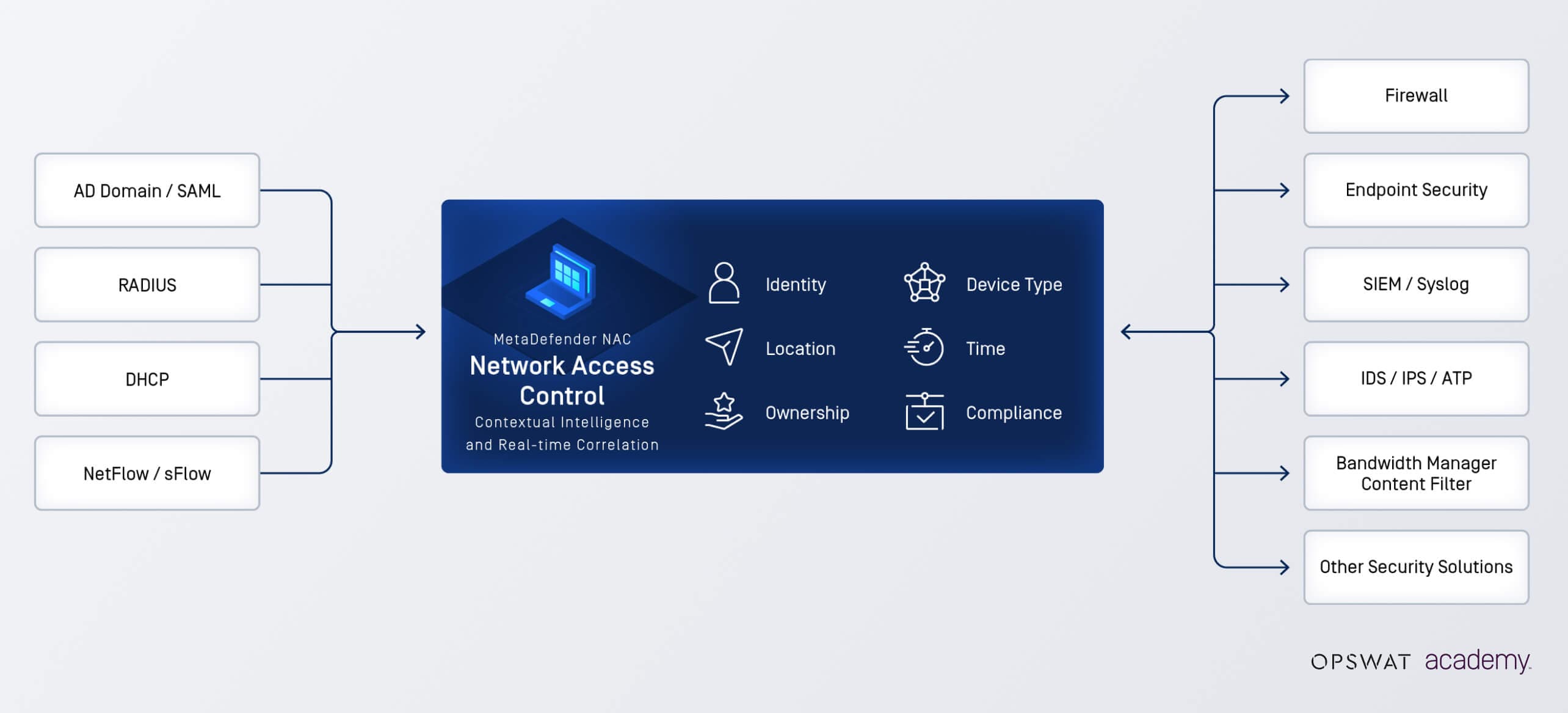
NAC solutions should not work in isolation. For enhanced security, they need to be integrated with other security systems such as firewalls, intrusion prevention systems (IPS), and malware protection solutions. This integration allows for a layered security approach, making the network more resilient against various types of cyber threats.
Effectively managing Network Access Control solutions requires a strategic approach that encompasses technology, policy, and people.
5. Training and Awareness
Effective management of NAC solutions also involves training and creating awareness among staff about the importance of network security. Employees should be educated on the best practices for device management, the significance of following access policies, and the consequences of non-compliance. Regular training sessions can significantly reduce the risks posed by human error or negligence.
6. Regular Updates and Maintenance
Like any other technology, NAC solutions must be regularly updated and maintained. This includes applying patches, updating policies based on new security insights, and upgrading hardware or software as needed. Staying current with updates ensures that the network is protected against the latest threats and that the NAC system operates efficiently.
7. Scalability and Flexibility
As enterprises grow and evolve, so do their network security needs. A scalable NAC solution can adapt to increased load and more complex network environments. It is essential to choose a NAC solution that not only meets current requirements but is also capable of scaling as the organization expands.
Effectively managing Network Access Control solutions requires a strategic approach that encompasses technology, policy, and people. By assessing the network infrastructure, setting robust access policies, integrating security solutions, and fostering a culture of security awareness, enterprises can significantly enhance their network security. Remember, a well-managed NAC solution is a strong line of defense in the protection of an organization’s digital assets.
Learn the Ins and Outs of NAC with OPSWAT Academy
Network Access Control is crucial because it enhances network security by controlling which devices and users can access network resources, ensuring that only authorized and compliant devices can connect while also helping in identifying and mitigating security risks by providing visibility into all devices on the network and enforcing security policies.
Are you looking to enhance your knowledge of Network Access Control? OPSWAT Academy offers two distinct courses specifically designed for acquiring NAC-related knowledge and skills:
The OPSWAT Academy Network Security Associate (ONSA) course is designed to strengthen your foundation in network security, including the fundamentals of NAC. By enrolling, you will learn how to implement network access control to ensure comprehensive network security.
The OPSWAT MetaAccess NAC Professional course program offers a curriculum tailored for practicing system administrators and IT professionals, teaching them to deploy, configure, and manage MetaAccess NAC, thereby maximizing the security potential of any environment.


