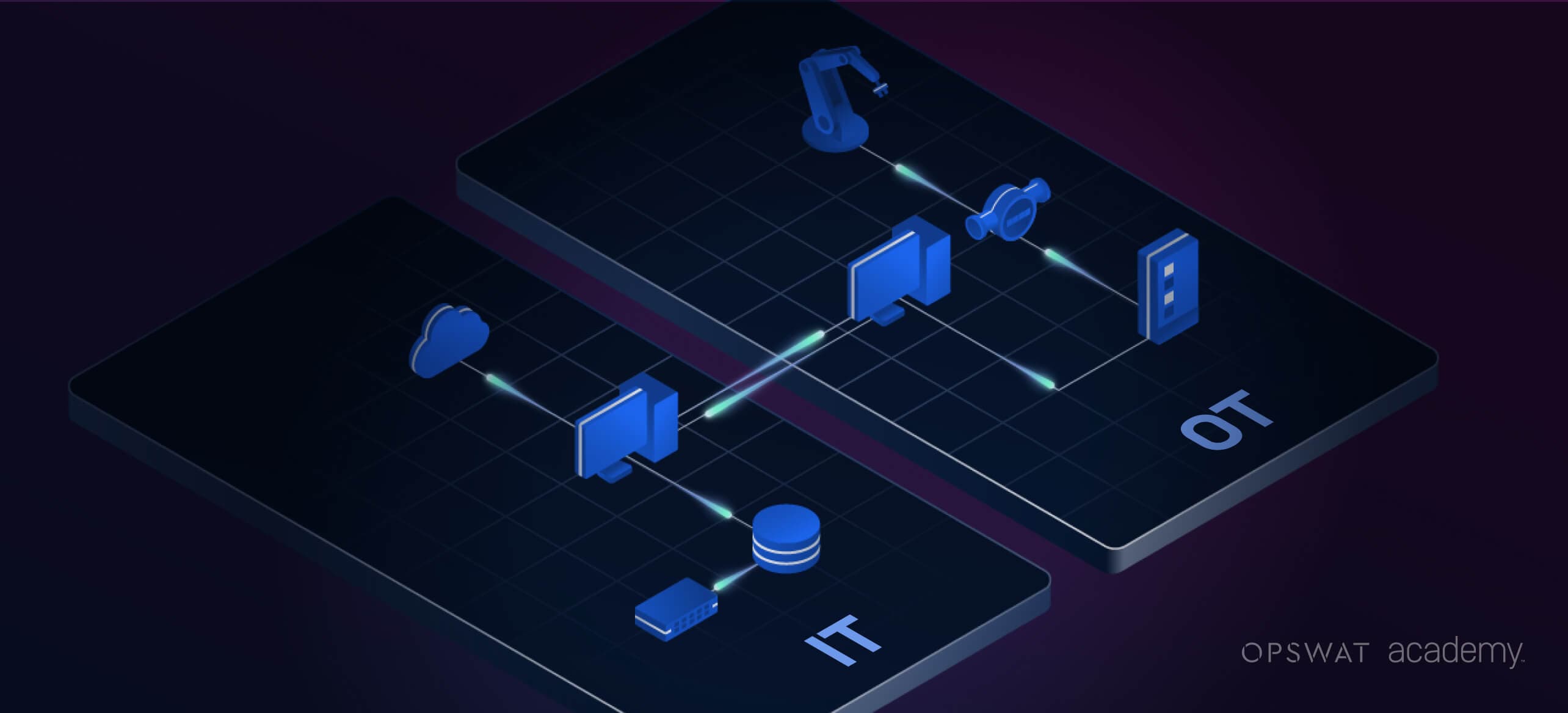
Operational Technology (OT) systems are the backbone of critical infrastructure sectors such as energy, manufacturing, and transportation. These systems are responsible for monitoring and controlling physical processes, ensuring seamless operations. However, unlike Information Technology (IT) systems, many OT networks still rely on unencrypted protocols, leaving them vulnerable to cyberthreats.
As cyberattacks targeting OT environments grow more sophisticated, securing these unencrypted protocols has never been more urgent. In this article, we’ll explore the key strategies for protecting OT systems without disrupting their core operations.
Network Segmentation
One of the first steps in securing OT protocols is proper network segmentation. Isolating OT systems from broader IT networks prevents the lateral movement of threats. By creating distinct zones for different functions, and implementing firewalls between them, you reduce the risk of a single attack compromising your entire infrastructure.
Deploying a Demilitarized Zone (DMZ) between IT and OT networks can further enhance security, acting as a buffer that filters traffic and blocks unverified requests.
Intrusion Detection and Prevention Systems (IDPS)
Even though OT protocols may not be encrypted, you can still monitor them for suspicious activity. Intrusion Detection and Prevention Systems (IDPS) designed for OT environments can detect unusual behavior patterns, such as unauthorized access attempts, abnormal traffic, or signs of malware.
These systems provide real-time alerts and can automatically respond to threats by blocking traffic or isolating affected devices before significant damage occurs.
Many OT networks still rely on unencrypted protocols, leaving them vulnerable to cyberthreats.

Protocol Whitelisting
Unencrypted protocols often expose OT systems to a wide range of threats. Protocol whitelisting, however, allows you to restrict which commands, devices, and protocols are permitted within the OT network. By ensuring that only authorized protocols are allowed, you can prevent malicious actors from exploiting vulnerable ones.
Implementing whitelisting measures minimizes the risk of attacks through unused or insecure protocols and helps maintain a secure communication environment.
Security Patches and Updates
Many OT systems rely on legacy protocols that were not designed with modern cybersecurity in mind. Regularly updating your OT systems and applying security patches can help reduce vulnerabilities. This may involve working closely with equipment manufacturers to ensure that the latest patches are compatible with your infrastructure.
Although patching may require scheduled downtime, it is an essential step toward closing security gaps in unencrypted protocols.
Encryption Where Possible
Though not all OT protocols support encryption, for those that do, implementing encryption should be a top priority. Encryption protects sensitive data as it travels across the network, preventing unauthorized parties from intercepting and altering it.
If encryption is not feasible for certain protocols, compensatory measures such as Multi-Factor Authentication (MFA) and stronger network access controls should be enforced to secure access.
Staff Training and Awareness
No matter how robust your technical defenses are, human error remains a significant vulnerability. Training staff to recognize and respond to security incidents is critical in protecting OT systems. Operators and engineers should be aware of the potential risks associated with unencrypted protocols and how to implement safe practices when interacting with OT devices and networks.
While OT systems might still rely on unencrypted protocols due to performance or compatibility issues, organizations cannot afford to overlook the importance of securing these systems. By employing strategies such as network segmentation, protocol whitelisting, and intrusion detection systems, companies can reduce their exposure to cyberthreats while maintaining the integrity and availability of their OT environments.
In a world where the consequences of a successful cyberattack on critical infrastructure could be catastrophic, securing OT protocols is a crucial line of defense.
Training staff to recognize and respond to security incidents is critical in protecting OT systems.
Navigating OT Complexities with OPSWAT Solutions
As a leading provider of CIP cybersecurity services and products, OPSWAT is committed to delivering comprehensive solutions for industrial cybersecurity. With an unwavering focus on innovation and quality, OPSWAT equips organizations with the tools and strategies needed to safeguard essential operations against evolving cyber threats.
Some of OPSWAT's OT-related solutions are:

MetaDefender OT Access
OT environments often struggle with securing remote access to critical systems. MetaDefender OT Access provides a secure, controlled gateway that ensures safe, authenticated remote connections to operational technology networks, protecting them from unauthorized access and cyber threats.

MetaDefender Netwall
Legacy systems and unidirectional data flow needs in critical environments expose them to cyber threats. MetaDefender NetWall, a unidirectional security gateway, ensures secure and controlled data transfer, safeguarding sensitive information against cyber vulnerabilities.

MetaDefender Industrial Firewall
OT/ICS environments are vulnerable due to legacy systems and poor network segmentation, exposing critical infrastructures to threats. MetaDefender Industrial Firewall counters these risks with robust protection for ICS, OT, and SCADA systems, ensuring operational resilience and safety.


